
Rating the Principles of Biophilic Design and Sustainability
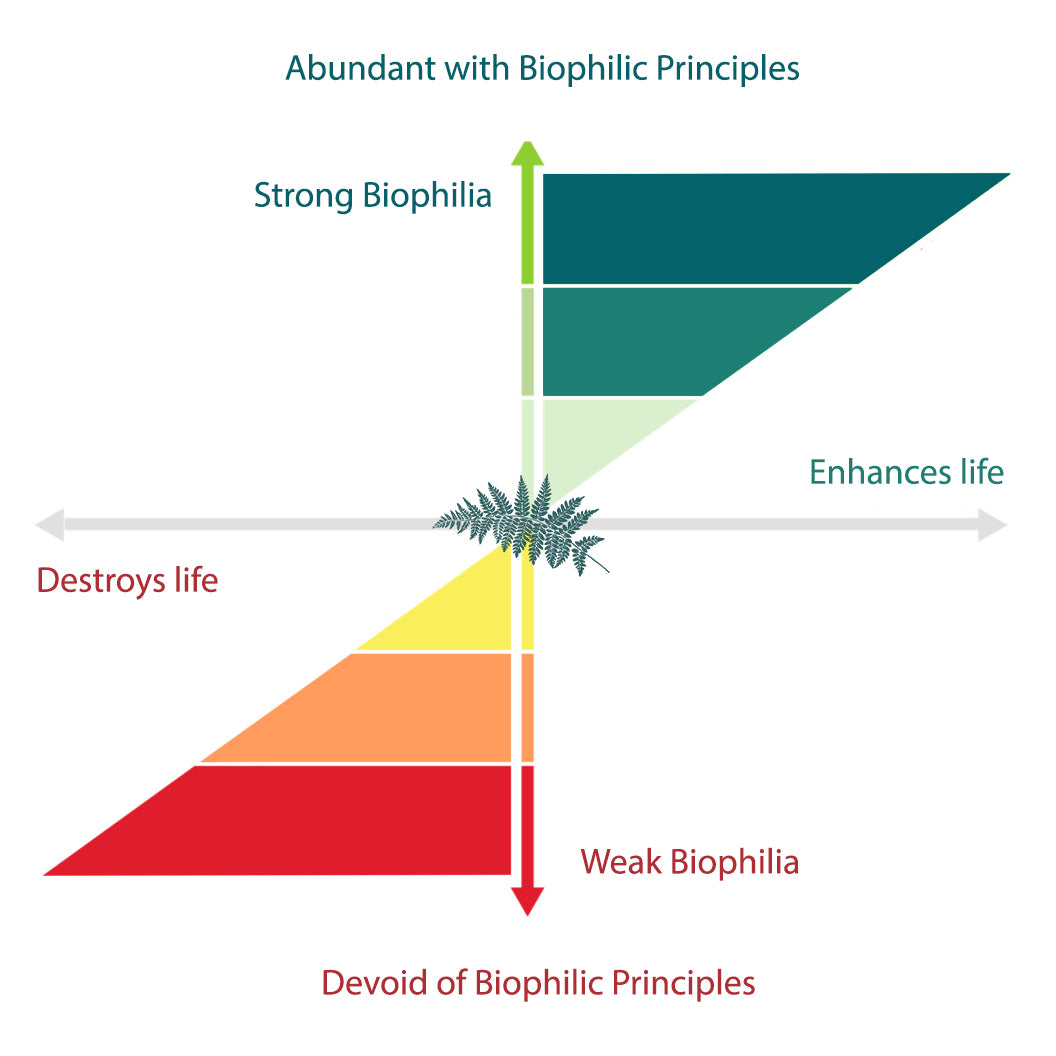
Biophilic design is essential in the built nvironment because it reconnects people with nature which has been proven to improve mental health, enhance creativity, reduce stress, and increase overall well-being. As we are increasingly living inside and in cities, natural experiences become more limited in daily life. Research demonstrates that incorporating natural elements, such as plants, natural light, water features, and organic forms, in our environment can lead to better cognitive function, emotional
resilience, and productivity (Kellert, 2008).

This is what biophilic design and products which are in harmony with the principles of biophilic design aim to do. While Biophilically Design Products inherently tend to be more pleasing to us, this isn't just an aesthetic preference; it's a crucial component for creating healthier spaces where people can thrive.

The rating system

This Biophilic Design Sourcing Hub is for the design and specification industry ,to help us all consider how and what we buy is having an impact on human health and living systems on our planet. We hope that the Biophilic Design Sourcing Hub will connect everyone together to help accelerate better understanding and create healthy environments that are also beautiful and inspiring for your clients.

Measurement
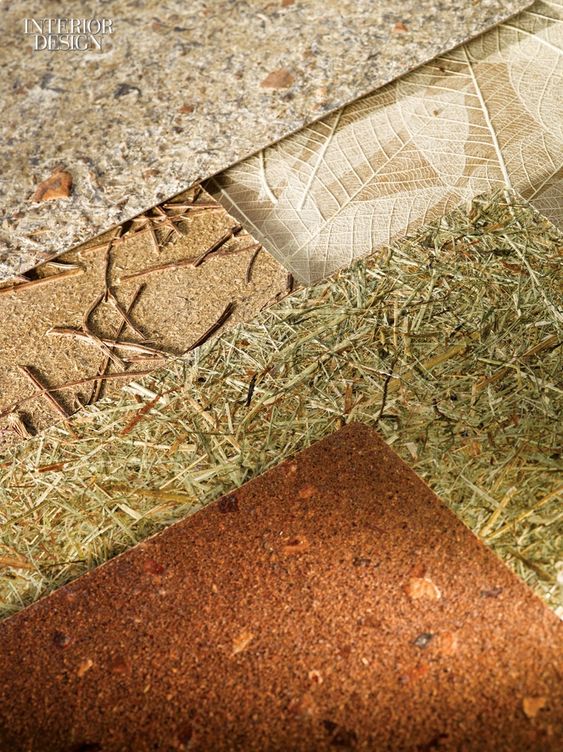
Every product in the Hub is assessed against our 10 Biophilic Design Principles — but not every product is expected to answer to all ten. A raw material, a light fitting and a living wall each connect us to nature in very different ways, so we assess each product only against the principles it can genuinely act on. Where a principle doesn't apply to what a product actually is, it simply isn't counted against it. This keeps the rating fair across very different types of product.

We also recognise that the principles are not equal. Some contribute far more to a genuine connection with nature than others, so we weight them accordingly. Three principles carry the greatest weight, because they sit at the very heart of biophilic value — Direct Connection to Nature, Healthy Materials and Environmental Responsibility. A product that is weak in these areas will not reach the highest ratings, however well it performs elsewhere.

The outcome of this assessment is expressed as a single, simple Leaf Rating — and this is what we invite you to look for. The more leaves a product carries, the more strongly it aligns with the principles of biophilic design:

🌿 Emerging
🌿🌿 Developing
🌿🌿🌿 Strong
🌿🌿🌿🌿 Excellent
🌿🌿🌿🌿🌿 Exceptional

Behind every Leaf Rating sits a consistent, evidence-based assessment — drawn from the work of Wilson, Kellert and Terrapin, alongside five years of conversation with the design and specification industry. The full set of principles against which each product is evaluated is available to download HERE.

The materials

The materials we choose for built environments directly influence the success of biophilic design. Natural materials like wood, stone, wool, and clay evoke tactile, visual, and even olfactory connections to nature, which synthetic alternatives often lack.

 Studies have shown that the presence of natural materials can significantly reduce blood pressure and heart rates and contribute to a sense of comfort and calm (Fell, 2010).

Likewise,furniture selection matters because it supports the sensory and emotional goals of biophilic spaces. Ergonomically supportive furniture made from natural or sustainably sourced materials promotes physical wellness while maintaining the organic, non-intrusive aesthetic that biophilic design principles encourage.